
Re-routed down memory lane: the rise of nostalgia marketing
Market Research • Apr 1, 2026 10:30:00 AM • Written by: Jordan Hussian
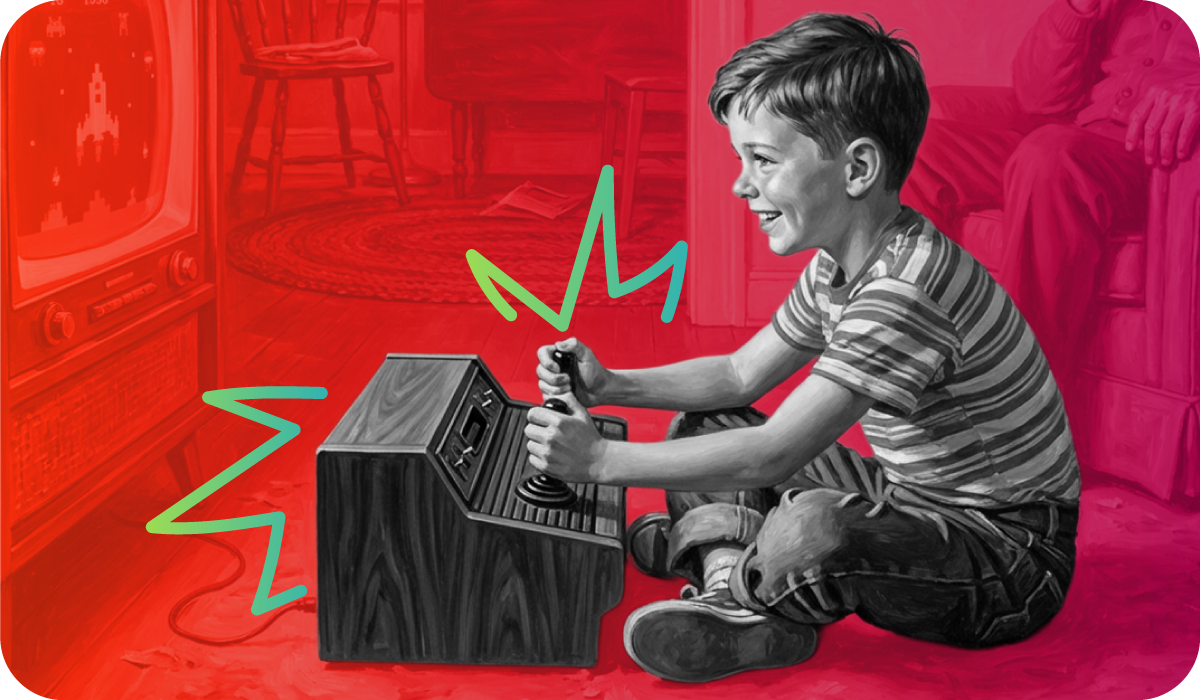
What does a point-and-shoot digital camera available on TikTok Shop, Adult Happy Meals, and 8-bit games for Nintendo Switch tell us about what’s working in marketing?
If an Oasis tour happening in the year 2025 could tell us anything, it’s that nostalgia is on the rise.
Nostalgia marketing isn't a new idea, but in the past few years, it’s gone from a more niche tactic to one of the most dominant aesthetic forces in advertising. From rebooted TV show collabs to retro packaging redesigns, brands across every industry are leaning into the past to win over the consumers of today.
Ads are everywhere, which is new. With the popularity of embedded ads and sponsored content, algorithm overload, plus consumer skepticism, nostalgia helps to cut through the noise by speaking emotionally to audiences. Understanding how and why it works, as well as when it backfires, is non-negotiable knowledge for marketing teams.
The psychological pull of nostalgic marketing
Nostalgia is more than mere feelings of sentimentality, it's a neurological response that increases feelings of social connectedness, self-continuity, and optimism, making consumers more receptive to a brand's message.
When we recall positive memories from the past, our brains release dopamine. Researchers have found that nostalgic feelings temporarily reduce loneliness and anxiety. These two emotions are especially prevalent in modern consumers, so brands that tap into this create an emotional shortcut towards trust.
In fact, a study published in the Journal of Consumer Research found that nostalgia increases consumers' willingness to pay for products.
Nostalgia works best when it's rooted in collective memory, not niche individuals. Brands that aim for broader-reaching cultural touchstones have been trending for good reason.
How nostalgia works in marketing today
Nostalgia marketing has evolved beyond simple retro aesthetics.
Today's most effective campaigns blend past iconography with modern relevance to reach both older audiences and younger ones discovering a brand's heritage for the first time.
Winning brands use nostalgia across four main levers: product rereleases (limited-edition packaging, discontinued item comebacks), visual identity (retro logo revivals, vintage color palettes), cultural IP (licensing classic shows, films, or music), and experiential marketing (pop-ups designed to replicate past eras). The most sophisticated campaigns layer multiple levers simultaneously.
Nintendo's NES Classic sold over 2 million units in its first holiday season, even though the same games were available digitally for a fraction of the price. The object itself was the product, but nostalgia is what carried value for consumers.
Is memory lane a dead-end?
As with all marketing tactics, nostalgia has a ceiling.
Brands that overuse it risk feeling stale, out of touch, or worse, tone-deaf to how the past is remembered by different communities.
When brands rely too much on nostalgia to connect, they can end up inadvertently signaling that they have nothing new to offer. Younger audiences (Gen-Z in particular) are more able to detect "nostalgia bait". There's also a growing awareness that the past wasn't universally golden: campaigns romanticizing certain eras can alienate audiences whose experience of that period weren’t all that positive.
Gap's 2010 logo redesign, which tried to pivot away from the brand's nostalgic equity, was reversed after massive consumer backlash in just six days, illustrating how deeply brand nostalgia can become an integral part of brand identity.
Testing in the wild is ideal for finding out where to tap into nostalgia and where it might work against your goals of relaying a more authentic connection with consumers.
As we’ve said ourselves, real resonance requires real connection.
Nostalgia marketing has more fallibility when it’s forced or pandering. When executed well, it builds instant emotional resonance. The best campaigns pair nostalgic triggers with forward-looking relevance, avoiding the trap of living entirely in the past.
Brands who want to tap into nostalgia well should ensure that they're using the past as a lens to tell a story about who they are today, not as a “nostalgia trap”. Nostalgia is most powerful as a foundation, not a strategy. It earns trust fast; but the product still has to be able to hold it.
If you're wondering about how emotional storytelling could work for your brand, schedule a call with our team of researchers today.

Jordan Hussian
Jordan is a Client Strategy and Insights Manager at Orchard, leveraging nearly four years of deep industry exposure to drive impactful, client-focused research. Beyond project execution, Jordan has been instrumental in growing and training a high-performing team, ensuring every client receives focused, strategic guidance rooted in real consumer behavior. With a sharp analytical mindset and a passion for translating complex data into actionable strategy, she helps bridge the gap between what consumers say and what they actually do—turning insights into business advantage.