
Marketing mindfulness: Dry January & what it means for alcohol trends
Industry Trends • Jan 23, 2026 3:07:31 PM • Written by: Jordan Hussian
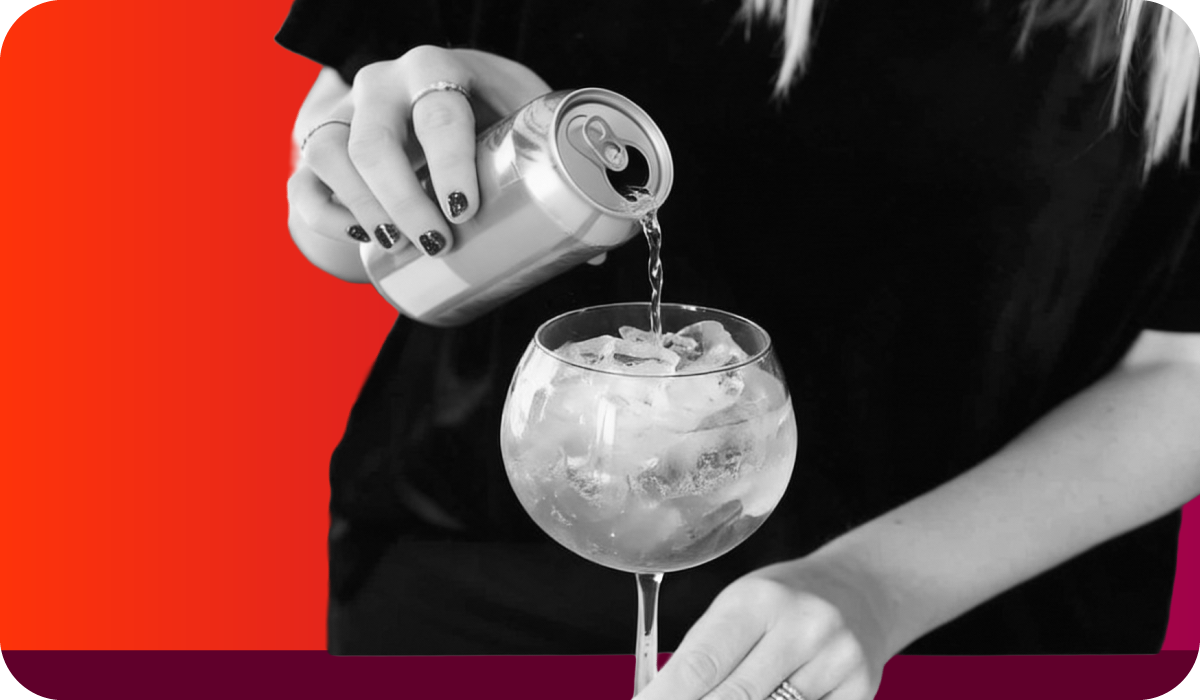
Going sober is having a moment, and the proof is in the numbers –– alcohol sales have dropped 5% in the last year.
According to Medical News Today, about 200,000 people pledged to participate in Dry January in 2025. Since its formalization as a public health campaign by Alcohol Change UK in 2013, the sober curious movement has spurred relevancy beyond just the first month of the year.
As Gen-Z, one of the main age groups that’s drinking less, ramps up their spending power in-market, a new consumer with unique demands emerges; one who's interested in the opportunities for socialization that alcohol provides, without the potential drawbacks, which can vary from serious long-term health risks to dreaded “hangxiety”.
As always, taste is subjective
There’s more than one kind of sober-curious consumer.
While it’s nothing new that younger people are a major driving force behind the trends of today, winning brands will recognize that there are all kinds of people who want to experiment with going sober, whether it’s for a night, a whole month, or an entire lifetime. The choices that consumers make about not drinking are just as personal as the ones they make about indulging.
Replacing a signature drink with something similar but non-alcoholic makes sense as a first foray into the space. For example, a long-time Heineken drinker might first experiment with “zebra-striping” (alternating alcoholic and non-alcoholic drinks) with something like Heineken 0.0 before trying a more elevated non-alcoholic beer brand like Athletic Brewing, while newer, younger drinkers or the occasional cocktail enjoyer might be drawn to consciousness and flavor-forward brands especially popular with Gen-Z like Kin or Ghia.
Whitespaces and what’s trending
The alcohol industry is changing.
With tariffs earlier last year causing a significant drop in whiskey sales abroad and changing attitudes around drinking, brands must adapt to a new landscape of drinkers and non-drinkers. According to the Times, “Polls show that not only are young consumers drinking less, but they are trading up as well, choosing high-proof, more expensive bottles to drink sparingly.”
These new trends aren’t a death sentence for alcohol brands, they’re an invitation to innovate. Brands that are paying attention to their young consumers will notice that they’re gravitating towards making more bespoke, intentional choices in everything they buy, even into the weekend. And if they do make the choice to drink alcohol, it won’t be a thoughtless one.
For example, natural wine has maintained the interest of young consumers for the last few years, despite the sober-curious phenomenon. “I see a lot of young folks drinking wine, said Zack Eastman, 39, an owner of a wine bar in Brooklyn frequented by Gen-Zers told the Times. “They’re also way more conscious about what they put in their bodies. The younger generation is leaning far more into low-intervention wines.”
The popularity of natural wine with young people is reflected both on and offline (“natty” orange, anyone?) and serves as a great example of how real-life behaviors are different from what the average trend report will tell you about how young people are drinking and socializing, as well as how they perceive value in what they’re consuming in terms of alcohol.
What to test
There’s plenty of room for everyone in this brave new world of less alcohol consumption –– yes, even (and especially) alcohol brands.
Testing with consumers via social listening is a great way to gauge where your audience sits and to understand their consumption habits on a more granular level, helping your brand to innovate into the areas that resonate for your consumer.
With in the wild testing, you can uncover insights around:
- How often your consumer actually drinks versus how often they think they drink.
- Their goals, if any, around drinking less.
- What their hangups are around certain drinks or drinking in general (i.e. hangovers, overdoing it, matters of taste, etc.)
Alcohol isn’t going anywhere anytime soon, but being more mindful around drinking choices seems to be trending only higher year over year.
Wherever your brand sits in the alcohol or beverage space, it’s important to understand consumer values around these choices in order to make the kind of go-to-market decisions that are based on real insights and behaviors, not just what you’re seeing on TikTok.
Ready to explore what alcohol trends can mean for your brand?
Schedule a meeting with our team of researchers today.
Jordan Hussian
Jordan is a Client Strategy and Insights Manager at Orchard, leveraging nearly four years of deep industry exposure to drive impactful, client-focused research. Beyond project execution, Jordan has been instrumental in growing and training a high-performing team, ensuring every client receives focused, strategic guidance rooted in real consumer behavior. With a sharp analytical mindset and a passion for translating complex data into actionable strategy, she helps bridge the gap between what consumers say and what they actually do—turning insights into business advantage.